Hana Yori Dango: What Hanami Reveals About Japanese Culture
Hana Yori Dango: The Proverb Behind Fleeting Beauty
In early spring, between March and April, Japan experiences a collective moment of grace. Sakura — cherry blossoms — explode in pale pinks and pure whites across parks, temples, and city streets like Fukuoka. Families settle beneath branches heavy with petals, backs against gnarled trunks, to contemplate. This is hanami season, and it has shaped Japan's poetic consciousness for over a thousand years. Yet this ephemeral beauty is accompanied by a wisdom often forgotten, crystallized in an ancient proverb: 花より団子 (hana yori dango). Literally, it means "dumplings rather than flowers."
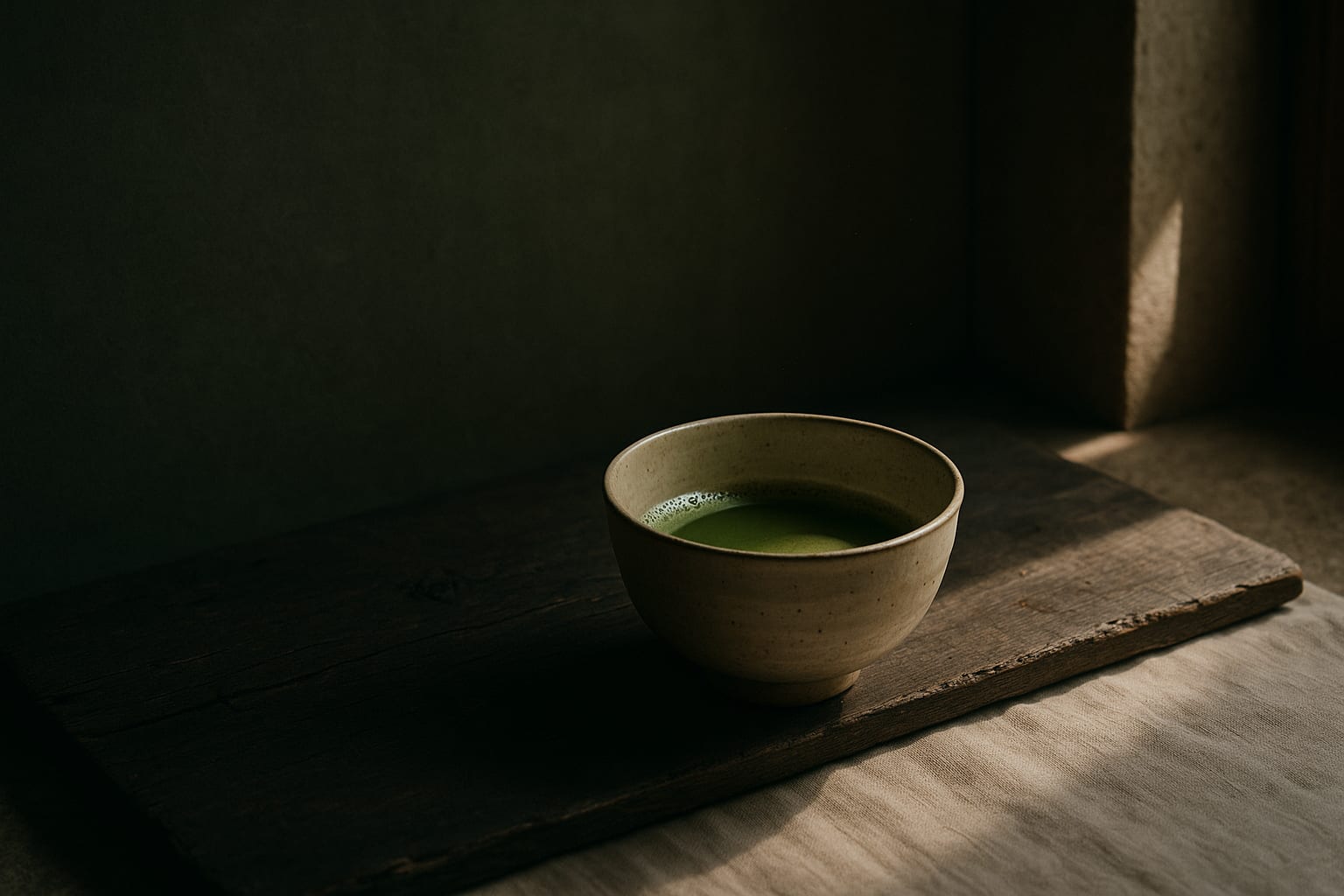
This proverb is not a critique of beauty. It is quite the opposite: an invitation to live it fully, rather than contemplate it as a hungry spectator. It asserts something fundamentally human: concrete, embodied, sensory pleasures hold as much value as abstract beauty. More than that, they hold greater value, precisely because they are real, lasting, consumable. A dango — that small sweet cake on a stick — or a carefully prepared bowl of tea satisfies both your hunger and your need for tactile experience. A cherry blossom merely passes.
Origins of the Proverb: The Edo Period and Pragmatic Wisdom
The proverb hana yori dango likely emerges during the Edo period (1603-1868), an era of rapid urbanization and relative stability in Japan. During this time, public gardens flourished and ordinary citizens could begin to visit them — a privilege once reserved for nobility. The noble continued to come to contemplate the ephemeral, a practice called "mono no aware" — awareness of the transience of things. But ordinary city dwellers posed a more practical question: why remain hungry-bellied before a flower that will disappear in three days anyway?
The proverb captures this tension with humor and intelligence. There is no contradiction between admiring beauty and nourishing yourself. On the contrary, feeding your body, honoring your senses, being fully present — this too constitutes a form of aesthetics. It is an inversion of the hierarchy that places the abstract above the concrete. Hana yori dango says: the concrete is beautiful too, provided you pay attention to it. A well-made dango, savored consciously, is worth a hundred flowers admired distractedly.
Hanami Traditions: Beyond Passive Contemplation
Even today, hanami in Japan is not limited to viewing. It is a social event, colorful, loud. People settle beneath trees in groups, bring food, drink sake, laugh, sing. It is almost the opposite of the silent contemplation one might imagine. Hanami is a festival, a celebration that lasts several hours, often into the night — and after darkness falls, lanterns illuminate the petals with soft, almost supernatural light.
This tradition is called hanami matsuri — the festival of flowers — and it embodies the spirit of hana yori dango perfectly. Yes, the flowers are there. But they are not the center of the experience. The center is the moment shared: conversation, food, the feeling of being alive alongside other living beings, time passing differently beneath flowering branches. The flowers are the pretext, not the destination.
The Sensory Pleasures of Hanami: Beyond the Visual
We often forget that hanami is not merely a visual affair. Yes, the flowers are magnificent. But beneath a blooming tree, you smell the light, almost sweet scent of petals. You hear the dull sound of wind in branches, the gentle rustle of leaves. You feel spring air on your skin — softer than winter, but not yet warm like summer. When the wind blows hard, petals fall around you like pink snow, and this tactile, visual, sensory experience is complete, immersive, far richer than a photograph.
And then there is food. During hanami, Japanese people eat particular dishes: the sweet-savory dango mentioned in the proverb, certainly, but also onigiri (rice balls), freshly fried tempura, fruits of the season. These dishes are not interruptions of visual pleasure; they are completions. They remind us that Japanese aesthetics is never purely spiritual. It engages all five senses, the entire body. Hana yori dango: admire the flowers, yes. But savor a dango at the same time.
The Philosophy Behind Transience
The concept of mono no aware — "the pathos of things" — is central to Japanese beauty. It is founded on impermanence. Cherry blossoms last only two to three weeks. It is this limit, this certainty that they will disappear, that gives them meaning. If flowers lasted year-round, they would no longer be special. They would not force us to stop and notice. They would not remind us that everything is ephemeral, including our own lives.
But hana yori dango adds something to this philosophy. It is not simply a lesson in impermanence — there are a million more pleasant ways to learn that. Rather, the proverb asserts that in this impermanence lies a freedom. Since the moment will disappear anyway, you might as well live it fully, savor it, embody it in your senses and your body. No need to wait for tomorrow. No need to defer life. The flowers are here, now, ephemeral. Be here too.
Hanami in Contemporary Japan
Even today, in the twenty-first century, Japan stops for hanami. Companies take days off. People travel across the country following the "bloom frontier" that moves from south to north. Weather forecasts of blooming make national news headlines, as if it were a major political event.
This persistence of ritual, in the age of smartphones and social media, is remarkable. Yes, people take photos. But they also take time to sit, to stay, to converse. They transform a public park into an impromptu family living room. They violate urban conventions — in Western countries, sitting on the ground of a public park for hours would be unusual. In Japan, during hanami, it is the norm. It is a temporary suspension of normal rules in favor of the shared present moment.
Lessons for Elsewhere
Hana yori dango is not a concept exclusively Japanese. It is wisdom that speaks to something fundamentally human. In our accelerated lives, saturated with images, bombarded by notifications, the idea that we must choose between beauty and pleasure — between contemplating and living — has become normal. We are supposed to photograph the moment rather than live it. We are supposed to optimize every instant, make it productive, monetizable.
The Japanese proverb proposes something radical: no. Sit down. Eat something good. Look at beauty, but feel it too, taste it, let it touch you. Do not choose between one and the other. Have both. This wisdom matters just as much in ordinary life: notice how light falls on a table, pay attention to the season around you, and give value to the rituals and objects that anchor the day. In that sense, the world of Maison Genkai is less about products than about learning to inhabit a moment fully.
Because hana yori dango reminds us: the flowers do not wait. Neither should you.
Read next
To go further, see The Art of Japanese Tea: Wabi-Sabi and the Tea Ceremony, then Ichigo Ichie: The Japanese Art of the Present Moment. For a complementary angle, also read Seasonality in Japan: How the Seasons Influence Tea.