Where to Buy Matcha in Switzerland — 2026 Guide
Where to buy matcha in Switzerland in 2026
Matcha has established itself in Switzerland as more than a passing trend. Whether you're looking for ceremonial matcha for daily usucha or culinary matcha for baking, the Swiss market now offers several options — but not all are equal. This guide helps you identify the best sources of authentic matcha in Switzerland, with concrete criteria for making the right choice.
What to know before buying matcha in Switzerland
Origin and traceability
Real matcha comes exclusively from Japan. The main producing regions are Uji (Kyoto), Nishio (Aichi) and Yame (Fukuoka). A serious seller always indicates the region of origin, the producer's name and the harvest (ichibancha for the first spring harvest, the highest quality). Be wary of matchas simply labelled "Japanese matcha" with no further detail.
Matcha grades explained
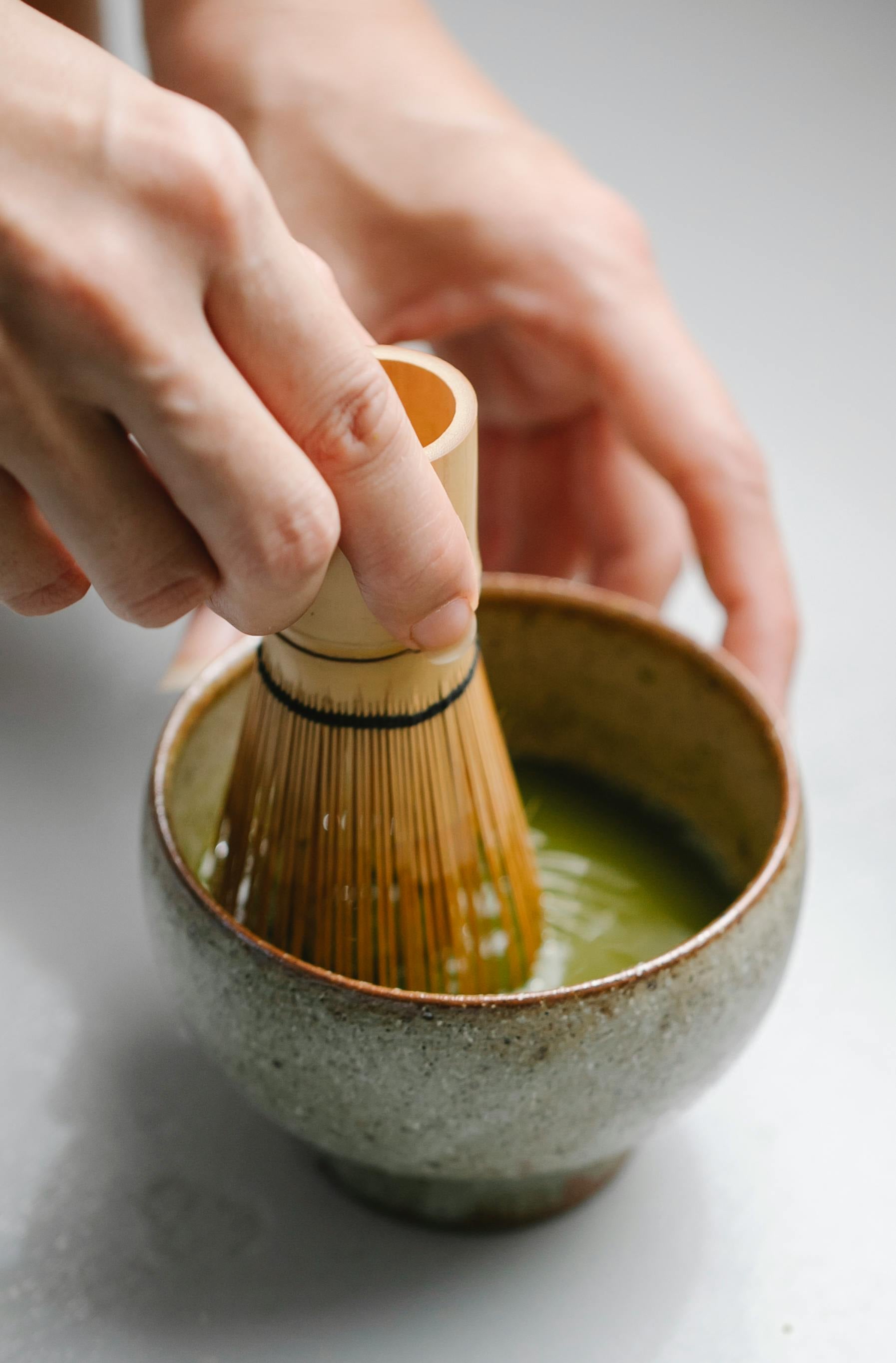
- Ceremonial matcha — meant to be drunk pure, whisked with a chasen. Bright green colour, pronounced umami taste, zero bitterness.
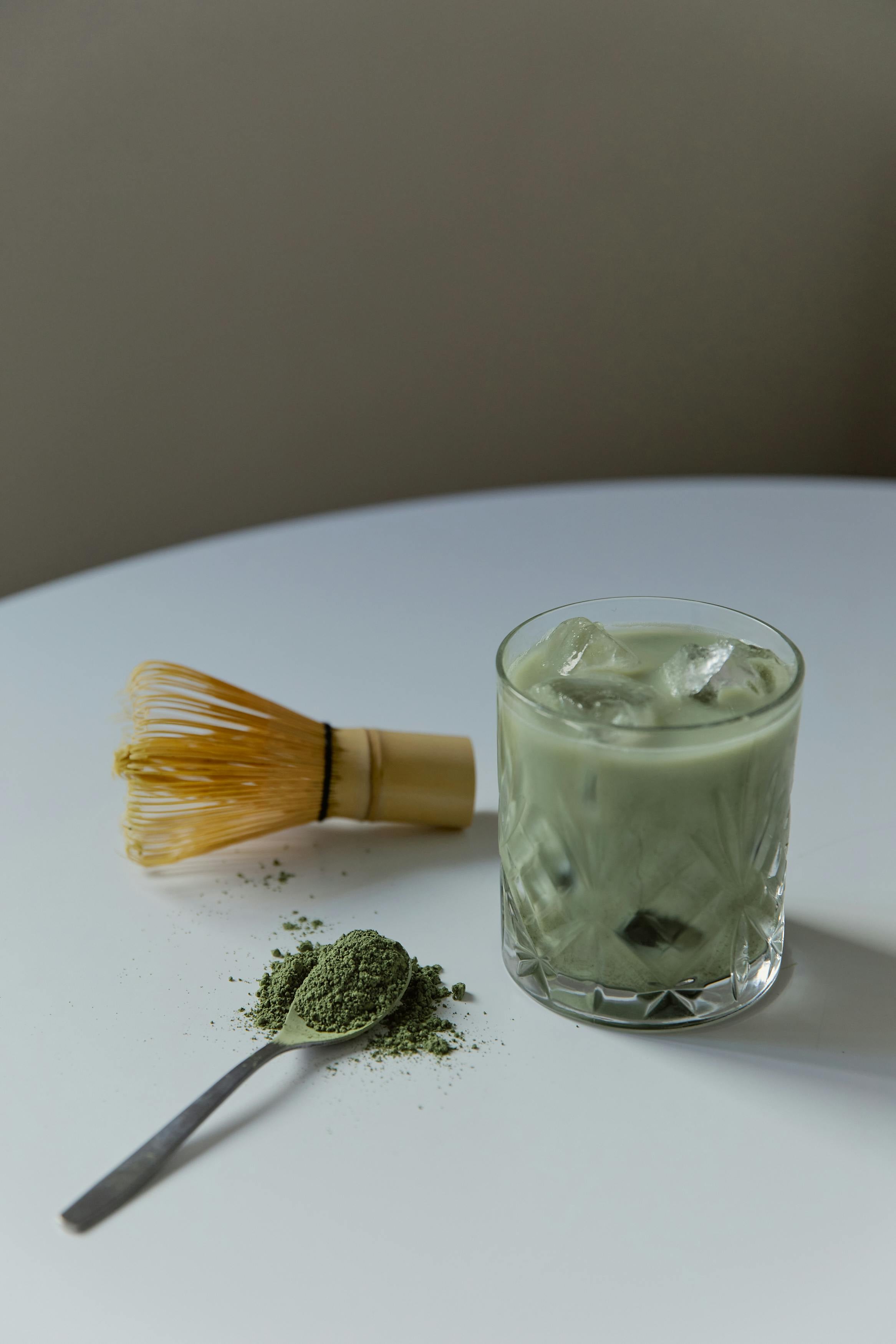
- Premium matcha — versatile, excellent as a latte or drunk pure. Good quality-price balance for daily use.
- Culinary matcha — designed for cooking and baking. More bitter, less vibrant colour, more accessible price.
Average matcha prices in Switzerland
For 30 g of quality matcha in Switzerland, expect to pay between CHF 15 and CHF 45 depending on grade. Below CHF 10 for 30 g, quality is rarely there. Above CHF 50, you enter the competition/ultra-premium segment reserved for connoisseurs.
Best options for buying matcha in Switzerland
1. Specialised online shops
This is often the best value for quality and traceability. E-shops specialising in Japanese tea import directly from producers, ensuring freshness and exact origin information for each batch.
Maison Genkai imports its matchas directly from the Yame region (Fukuoka), renowned for exceptional teas. Each product is sourced from artisanal producers with full traceability:
- Premium Matcha 30 g — CHF 19.90 — ideal for daily lattes and discovery
- Ceremonial Matcha 30 g — CHF 29.90 — for traditional usucha
- High Ceremonial Matcha 30 g — CHF 39.90 — first harvest, competition quality
- Organic Hojicha 30 g — CHF 14.90 — roasted alternative, low in caffeine
Delivery throughout Switzerland, free from CHF 60.
2. Japanese grocery stores
Japanese grocery stores in Switzerland (Zurich, Geneva, Lausanne, Basel) generally offer matcha. The advantage: you can see the product. The disadvantage: stock sometimes turns slowly, and matcha — sensitive to oxidation — loses its properties after opening or after several months on a shelf.
3. Organic shops and fine food stores
Retailers like Globus, Manor Food or certain organic shops offer matcha. Quality varies considerably. Read the label: if the Japanese origin is not explicitly mentioned, move on.
4. Supermarkets
Coop and Migros now offer matcha powder in their tea sections. These products are generally culinary grade, suitable for baking but disappointing as a pure drink.
How to recognise quality matcha
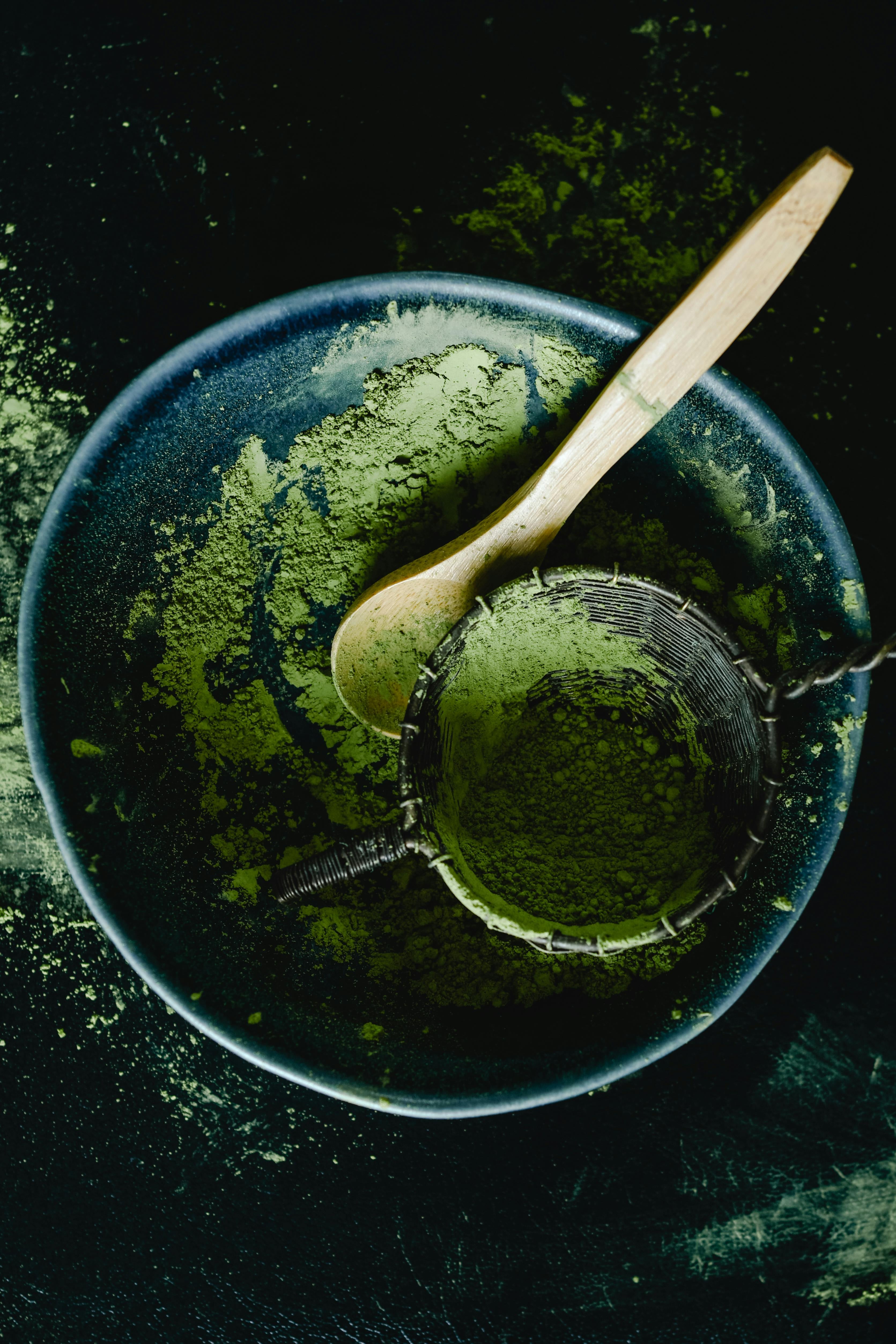
- Colour — good matcha is bright, almost electric green. A dull or yellowish green indicates inferior quality.
- Texture — the powder should be ultra-fine, almost silky to touch.
- Smell — fresh vegetal notes, slightly sweet. No dry hay smell.
- Precise origin — region, producer, harvest type.
- Storage — matcha should be kept cool and away from light.
FAQ
What is the best matcha available in Switzerland?
The best matcha depends on your use. For daily latte consumption, a premium matcha (CHF 18-25/30 g) offers the best value. For tea ceremony, opt for a high ceremonial first harvest matcha (CHF 35-45/30 g).
Can you buy organic matcha in Switzerland?
Yes. Note that organic certification doesn't equal superior taste — a conventional Yame matcha can outperform an organic matcha of uncertain origin. Traceability matters more than the label.
How to store matcha after purchase?
Keep your matcha refrigerated in its original packaging, hermetically sealed. Consume within 4-6 weeks of opening.