Matcha vs Hojicha Caffeine: What Actually Changes Your Cup
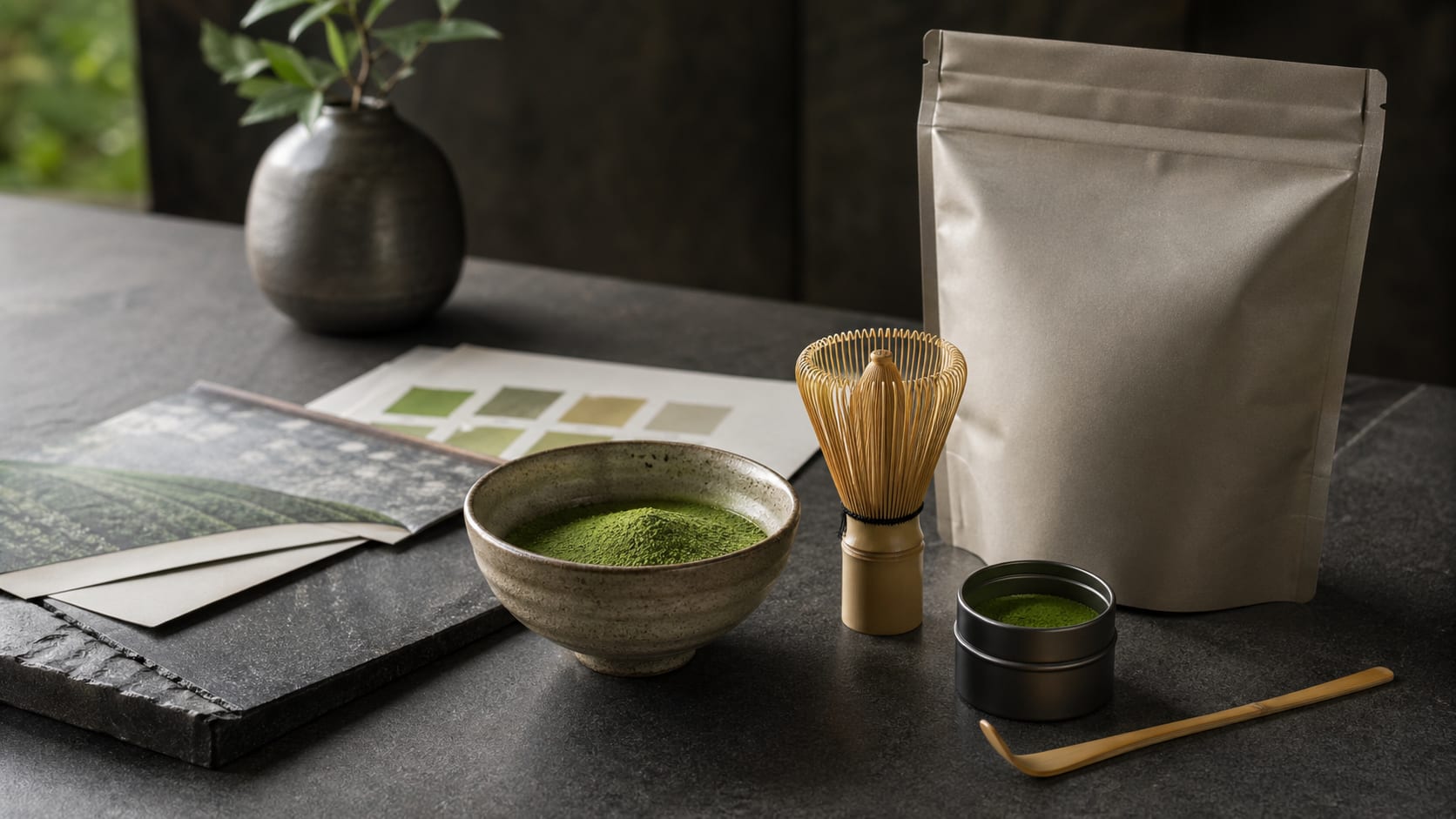
Does matcha have more caffeine than hojicha? Usually, the useful answer is about preparation rather than a universal number. Matcha is consumed as powdered leaf; hojicha is normally infused, and the tea material, dose, water and extraction time all change what reaches the cup. This page is a caffeine-focused companion to our broader matcha and hojicha comparison.
Why no fixed number is reliable
A “cup” is not a standard recipe. Matcha can use more or less powder; hojicha may be leaf tea or powder; a latte changes the amount of tea without changing the cup size. Caffeine also varies by product and preparation. EFSA makes the same point for familiar drinks: its reference figures are approximate because caffeine content and portions differ across and within countries. For orientation only, EFSA lists about 90 mg for a 200 ml filter coffee and 50 mg for a 220 ml black tea; these are not matcha or hojicha specifications.
The practical comparison is therefore directional: drinking the whole matcha powder is different from infusing leaves, and no brand should promise a fixed caffeine result without a product-specific laboratory analysis. For brewed tea, controlled research also shows that temperature, brewing time and serving method materially change measured caffeine. Read EFSA’s caffeine guidance and the brewing-conditions study.
What processing changes
Matcha is a finely ground green tea powder, so the leaf itself is consumed. Hojicha is roasted Japanese green tea whose toasted aroma comes from roasting; the tea used, roast and brewing method are not uniform from one producer to another. Roasting research documents how this process changes aroma and catechin composition, but it does not justify a universal “percentage less caffeine” claim. See the study on roasted green tea processing.
How to choose in practice
- Choose matcha when you want a vivid, vegetal tea ritual and are comfortable adjusting the amount of powder to your recipe.
- Choose hojicha when you prefer roasted, nutty notes and want to control caffeine through the tea quantity and steeping method.
- For caffeine sensitivity, pregnancy, medication or sleep concerns, treat any tea as a source of caffeine and ask a qualified health professional for advice appropriate to you.
Timing matters more than marketing labels. EFSA notes that a single 100 mg caffeine dose may affect sleep in some adults when taken close to bedtime; individual response and total caffeine from the day matter. A smaller serving, a lighter preparation and an earlier time are practical ways to adjust a routine without assuming that one tea is automatically caffeine-free.
Available Maison Genkai formats
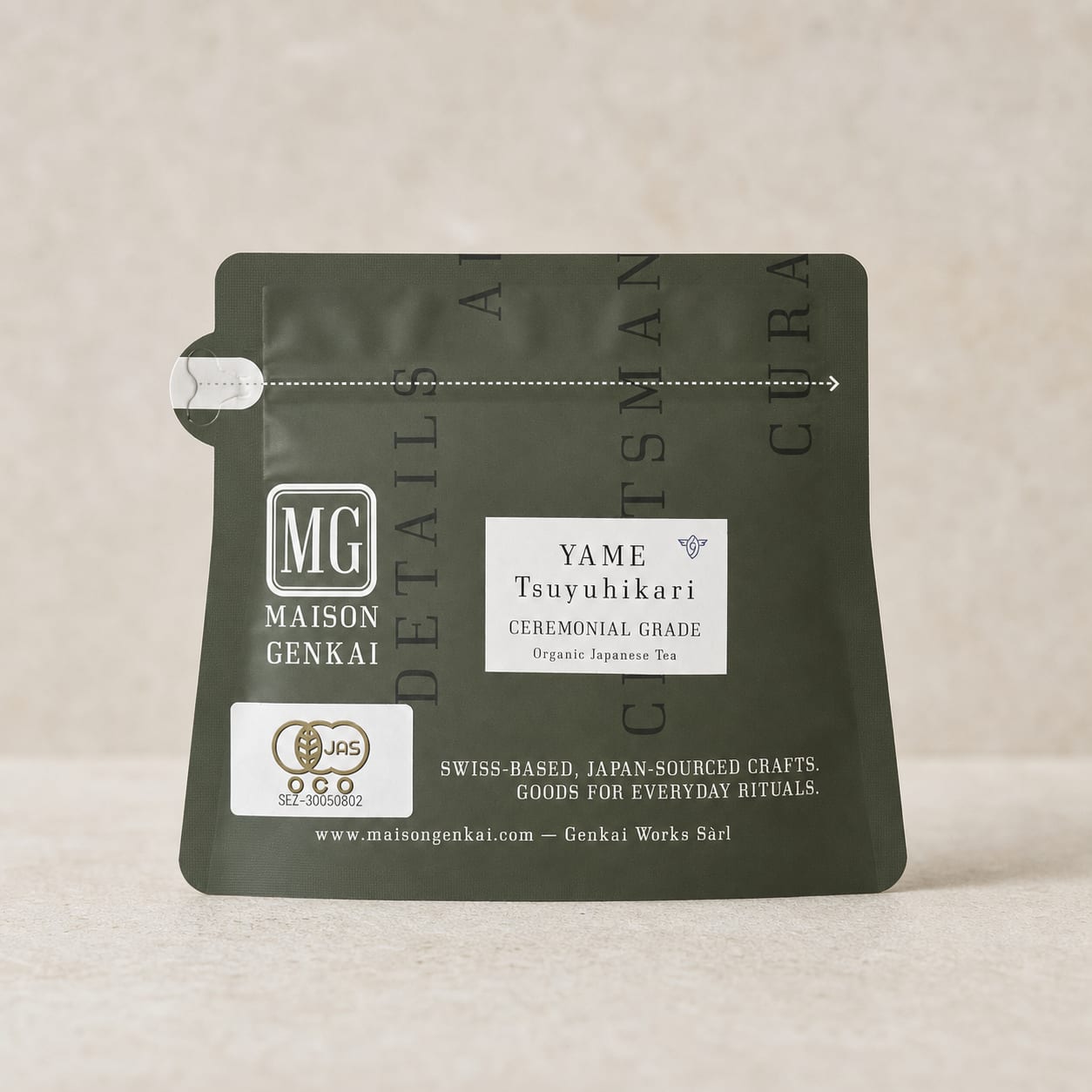
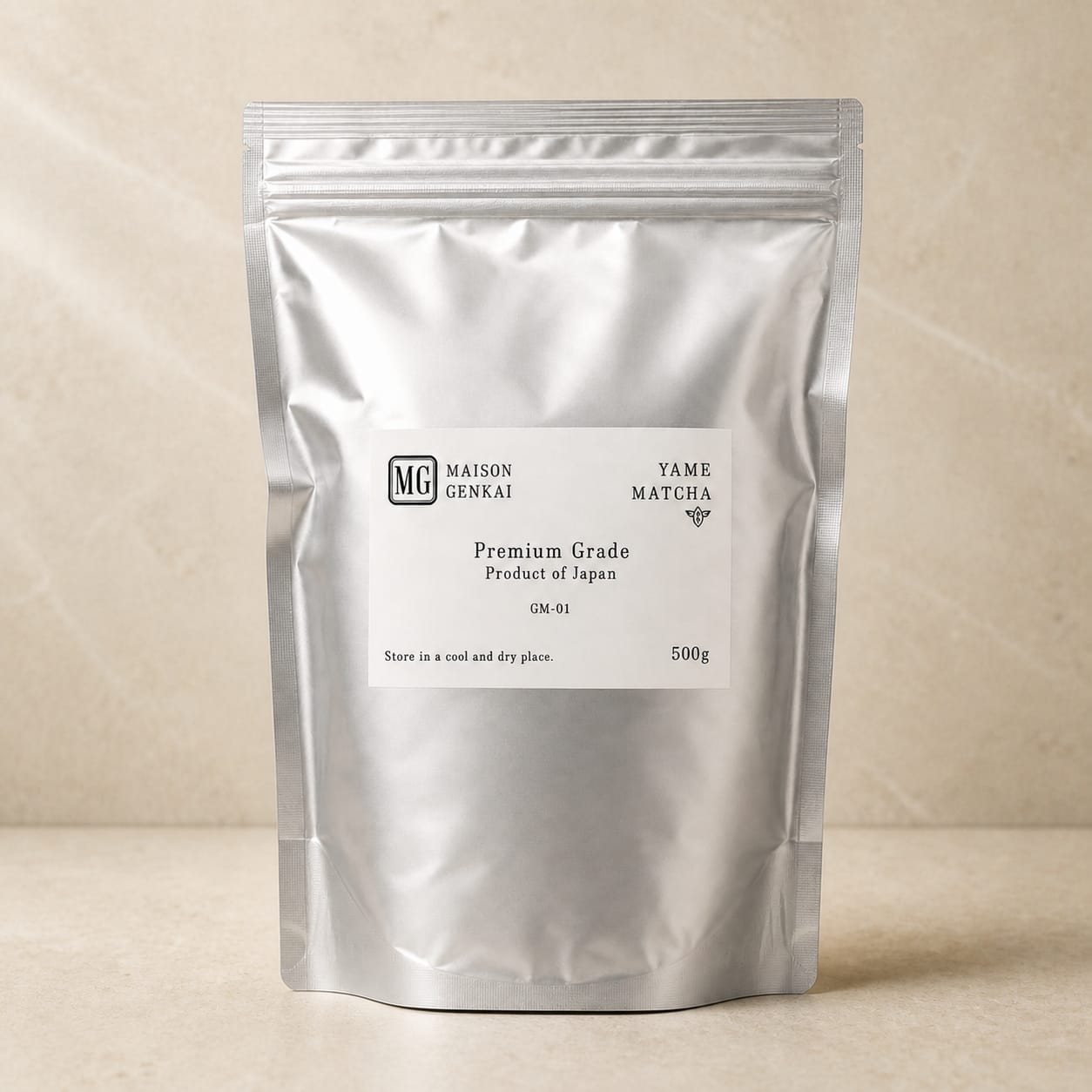
The live catalogue includes organic Yame matcha in 40 g pouches as well as professional 500 g formats of Standard Matcha, Premium Matcha and Hojicha Powder. Always check live stock on each product page.
Read next
Read next
To go further, see Hojicha: The Roasted Japanese Tea Nobody Knows About (Yet), then Hojicha Powder Latte: A Warm, Roasted Alternative to Matcha. For a complementary angle, also read Hojicha vs Matcha: Two Teas, Two Worlds.
For cafés, restaurants and retailers
Looking for a Swiss matcha supplier?
Maison Genkai supplies Japanese matcha from Yame to professionals in Switzerland, with samples, volume pricing, and formats for service or resale.