How to Choose a Matcha Supplier in Switzerland | B2B Guide
Choosing a matcha supplier in Switzerland is a purchasing decision, but it is also a menu and brand decision. A café needs a latte that tastes balanced every time; a restaurant needs a powder that works in its recipe; a hotel or retailer needs a partner who can explain provenance clearly. That is a different question from choosing a tin of matcha for home use. The useful comparison is not simply a kilo price: it is origin, sensory consistency, fit for the intended service, communication and the practical conditions of working together.
This guide is for cafés, restaurants, hotels, caterers, shops and online retailers assessing a B2B matcha supplier in Switzerland. It does not rank consumer products or promise that one grade fits every use. Its purpose is to make the selection process concrete.
Start with the use, not the marketing name
Before asking for a price list, write down where the powder will appear: a matcha latte, a traditional bowl, iced drinks, pastry, a dessert or retail shelves. These uses put different pressure on flavour, colour, solubility and cost per serving. A powder that is pleasant whisked with water may not be the most economical or expressive choice in milk; a product selected for a bright latte may not be the right retail recommendation for someone seeking a straight tasting experience.
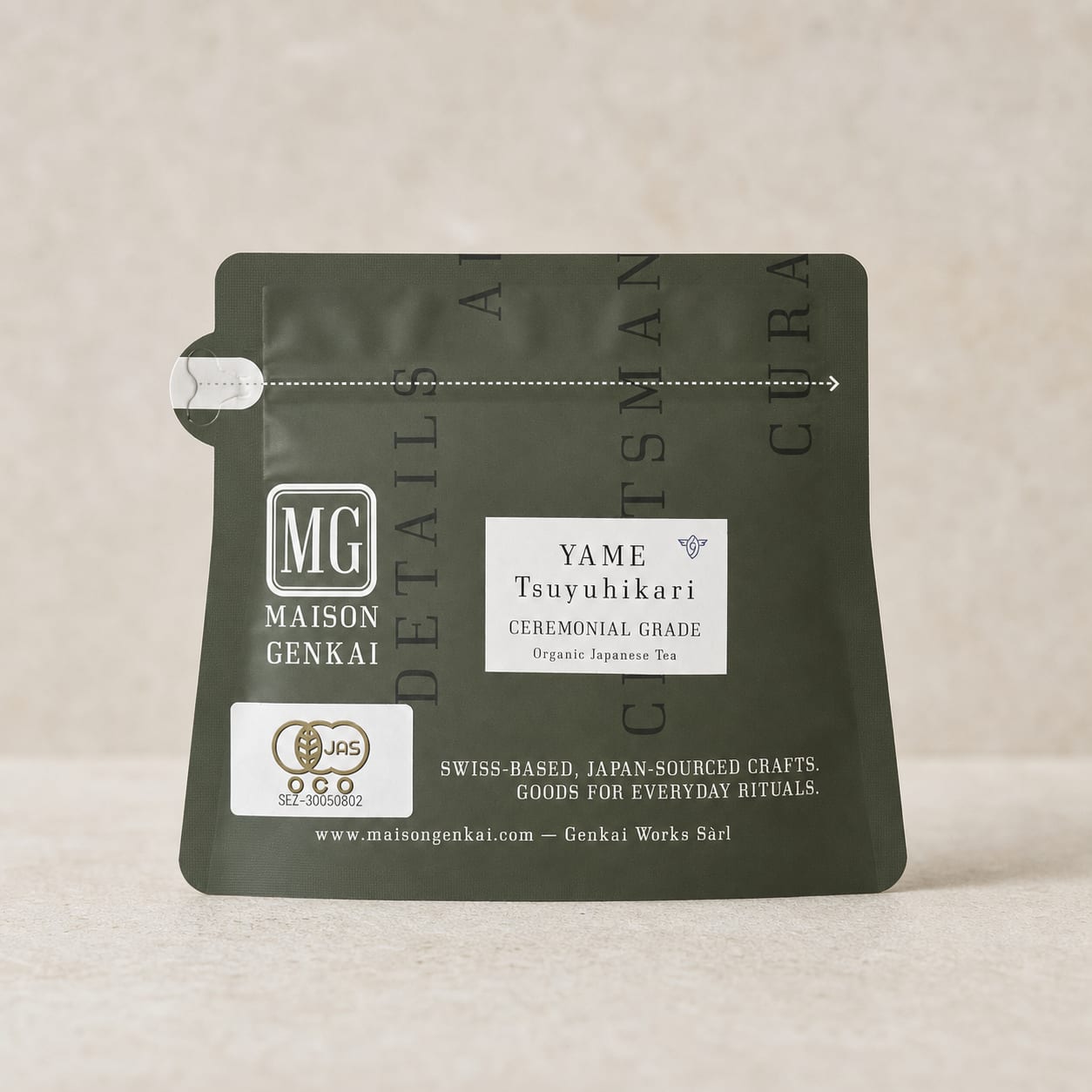
Ask the supplier to describe the intended use in plain language. Be cautious with a grade name alone. In Europe, “ceremonial” is not a legally regulated grade. The word can be useful only when the supplier also explains what is behind it: origin, harvesting and shading information where available, milling, flavour profile, bitterness and a recommended application. For a consumer-facing explanation of the term, see our guide to ceremonial matcha.
Verify origin and traceability
Authentic matcha is Japanese powdered green tea made from tencha. That does not make every Japanese matcha identical, and a supplier should not ask a buyer to accept a vague “Japan” claim as the whole story. Request the producing region and ask whether the powder is single-origin or blended. Then assess whether the answers are specific, consistent and proportionate to the product being offered.
Maison Genkai sources matcha directly from Yame in Fukuoka, Japan. The region is known for teas with umami and a rounded character. For a professional buyer, the relevant point is not a superlative: it is whether that profile suits the menu and can be described honestly to guests. A named origin also gives a buyer a more useful starting point for comparing suppliers than packaging colour or an unqualified premium claim.
Run a test that reflects service
A supplier comparison should include a short, repeatable tasting and recipe test. Use the same scale, water temperature, milk or alternative milk, sweetener policy and glassware for every candidate. Record the dose and the number of portions obtained rather than comparing a bag price in isolation. Make the test in the drink that will actually be sold, including an iced version if it will be on the menu.
- Whisk a small tasting with water to assess aroma, sweetness, umami and bitterness.
- Prepare the standard house latte at the planned dose and note whether the tea remains present after milk.
- Repeat the preparation once, ideally with another member of the team, to check ease of service.
- Observe colour after preparation rather than judging dry powder alone.
- Calculate the powder cost per served cup from the measured dose.
This protocol moves the conversation from “cheap” or “premium” to a decision a manager can defend: how the product behaves in the intended recipe, how much staff need to use and whether guests recognise the result. For a service benchmark, our matcha latte method shows the variables that change the cup.
Evaluate operational fit
Good tea is necessary but not sufficient in B2B. Ask what professional formats are available, how orders and invoicing are handled, who answers product questions and how the supplier communicates about changes. Check the lead time and delivery terms in writing before a launch rather than treating a first conversation as a guarantee. Discuss storage guidance and the way the powder should be resealed once open, so the team can preserve the profile it approved during testing.
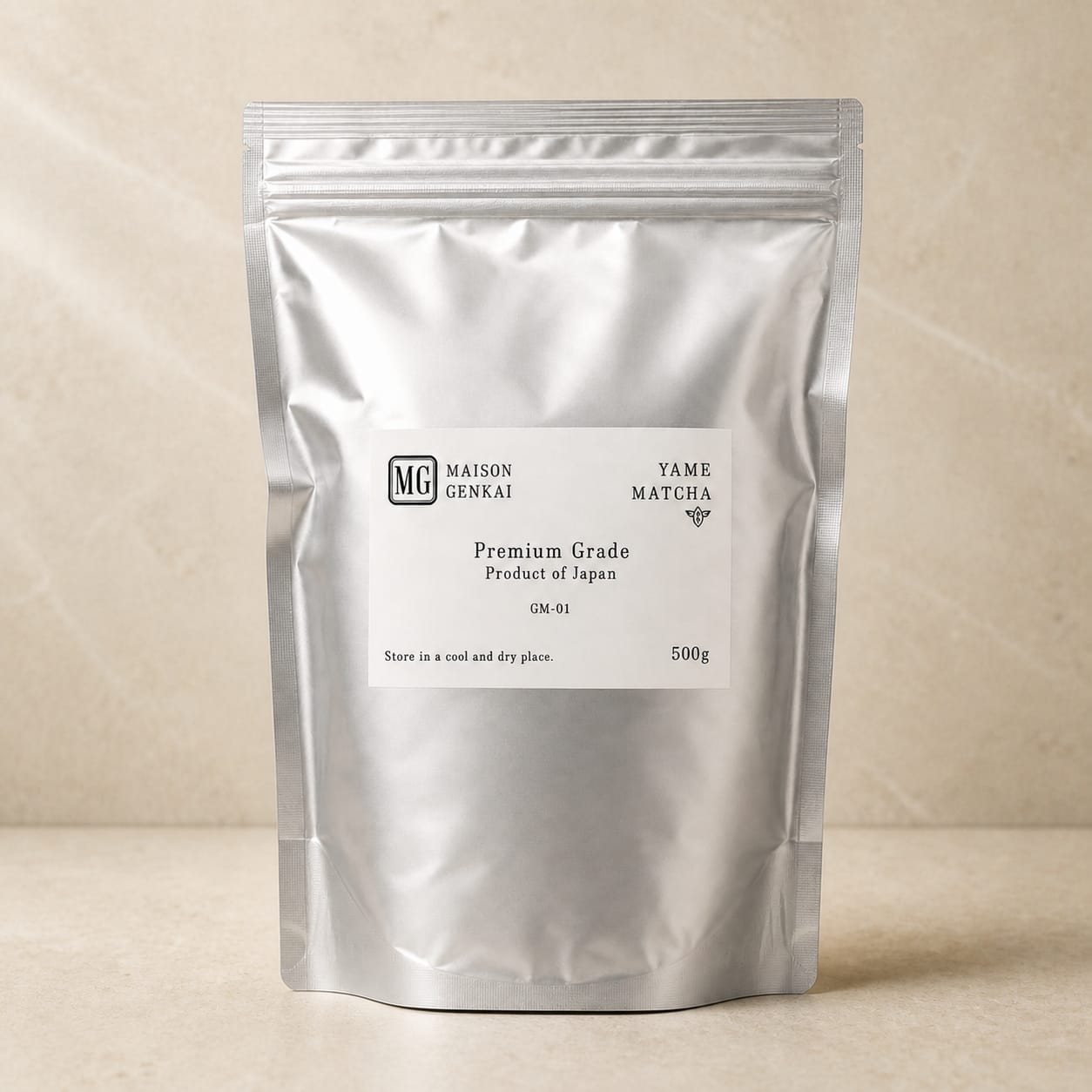
At the time of this review, Maison Genkai lists active professional formats in 500 g. Product availability and commercial terms can change, so the live B2B contact channel—not an old article or an assumed price—is the right place to confirm the suitable product and conditions for a specific project.
Questions that reveal a serious supplier
- Can you identify the country and region of origin clearly?
- Which use does this powder suit, and why?
- Can you explain the difference between your products without relying only on “ceremonial”?
- What format is appropriate for our anticipated service volume?
- What are the ordering, delivery and payment conditions for our business?
- Who should our team contact when it needs product or preparation guidance?
Answers need not be elaborate to be useful. The important distinction is between a supplier that can make its offer intelligible and one that substitutes broad claims for information. That distinction matters especially when the menu will represent the product to customers every day.
Why a Swiss B2B relationship can help
For Swiss operators, working with a Swiss company can simplify the commercial conversation: communication, invoicing and product support sit closer to the business using the tea. Maison Genkai is based in Colombier and connects that local point of contact with direct sourcing from Yame, Fukuoka. The fit still has to be demonstrated through the product and the terms proposed for the account; it should not be assumed from location alone.
If you are comparing several channels, keep consumer shopping and professional procurement separate. Our Swiss buying guide helps individuals navigate retail availability, while this page is designed for a professional evaluation. For cafés, restaurants, hotels, shops and online retailers, the next step is a brief conversation about the intended use, volume and test format.
Discuss B2B matcha for your business
Read next
To go further, see Matcha Latte Dosage and Cost for Swiss Cafés, then How to Prepare Matcha: Traditional and Modern Methods. For a complementary angle, also read How to Choose Matcha: 2026 Buying Guide.
For cafés, restaurants and retailers
Looking for a Swiss matcha supplier?
Maison Genkai supplies Japanese matcha from Yame to professionals in Switzerland, with samples, volume pricing, and formats for service or resale.